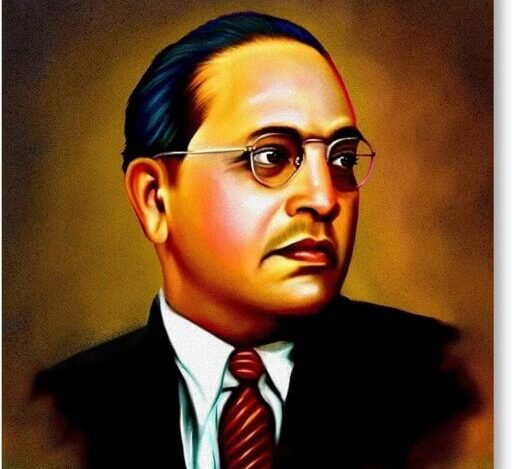
Narayana Guru (1856-1928), known as Sree Narayana Guru, was a social reformer, philosopher, and poet from Kerala. He is remembered for installing a Shiva idol at Aruvippuram in 1888, for starting the Sree Narayana Dharma Paripalana (SNDP) Yogam, and for his famous statement, “One Caste, One Religion and One God for all” (Wikipedia, “Narayana Guru”; Vajiram and Ravi, “Sree Narayana Guru, Biography, Jayanthi 2026, Death, Samadhi”). Here, we provide a concise biography based on available information, including the Aruvippuram idol installation, his work in the SNDP Yogam, his philosophy, his educational institutions and ashrams, and his meetings with Gandhi and Ayyankali. We have also included how he is remembered. Where the information is contradictory, we have mentioned the same. Our separate articles on Ayyankali and Periyar cover important personalities of the same era.
Early life of Sree Narayana Guru
Born as Nanu in 1856 in Chempazhanthy, near Thiruvananthapuram (Then Travancore) to Madan Asan and Kuttiyamma, he is considered to be an important social reformer among the Ezhavas (Wikipedia; Vajiram and Ravi). According to some sources, Ezhavas are a community outside the traditional four Varnas (Civilsdaily, “Who was Sree Narayan Guru (1856-1928)”). The sources, however, are not unanimous regarding his date of birth. Some say it was August 20, 1856 and others say 22 or 28 (Wikipedia; Civilsdaily; Vajiram and Ravi). He is reverentially referred to as Gurudevan by his followers (Vajiram and Ravi). He learned yoga from Thycadu Ayya and established a school in Anchuthengu in 1881 (PSC Daily Updates). He also met Chattambi Swamikal in 1882 (PSC Daily Updates). Please see the log.
Aruvippuram consecration, 1888
Narayana Guru is reported to have meditated at a cave near the Neyyar river at Aruvippuram in 1888, and founded a Shiva temple there (Wikipedia). A lingam was consecrated at the site. This was his first temple foundation (PSC Daily Updates). Challenging the then prevalent social order and particularly the monopoly of the upper castes in temple administration and priestly functions, Narayana Guru claimed that “Shiva is the highest god, and lingam (Shiva) is for all to worship” (PMF IAS, “Shree Narayana Guru”). Restrictions on temple access for members of the lower castes, especially, led to the temple entry movement. Our chapter on this movement covers the reforms initiated in Kerala.
The SNDP Yogam, 1903
On the request of Narayana Guru and Padmanabhan Palpu, the Sree Narayana Dharma Paripalana Yogam (SNDP Yogam) was set up on May 15, 1903, and functioned for the social, economic and educational advancement of the Ezhava community (PSC Daily Updates; PMF IAS). Its first general secretary was Kumaran Asan, and Palpu was its vice president (Civilsdaily; PSC Daily Updates). Its first annual general meeting was held at Aruvippuram in February 1904 (PSC Daily Updates). As noted in our chapter on Ayyankali, the first Dalit association of Kerala, established on the lines of the SNDP Yogam, was founded in 1906.
In his own words: “One caste, one religion, and one god for all humanity.”
Sree Narayana Guru was born as Narayana Pillai into the Ezhava community in Kerala in 1856. He is known as the architect of social reformation in Kerala, with him and Ayyankali being referred to as the “social revolutionaries of Kerala”. He is known for preaching that ‘Brahman’ is present in all beings and advocated for a society free from distinctions based on caste, class, religion, and gender. He gained great popularity during his time and his quotation “one caste, one religion, and one god for all humanity” defines his philosophy. This has been translated into different languages and is known by different names including; ‘Oru jati oru matha oru daivam manushyanu’ in Malayalam. There are different views about the year in which he is said to have given this message, with 1915 being the most common. One website mentions this conference was held in 1915 at Advaita Ashram.
Sivagiri Mutt and the schools
In the year 1904, Guru moved to Sivagiri and established a school where he offered education to children of lower social classes for free. The Sivagiri Mutt was established by him in the same year and the Sarada Temple was completed in 1912. In 1913, the Advaita Ashram was established by him in Aluva with the motto ‘Om Sahodaryam Sarvatra’ meaning all human beings are equal before God. Guru organized a conference at the Advaita Ashram in 1924 which was attended by people from all religions. In 1924, the Sivagiri Pilgrimage was also initiated by him. Our page on the relationship of education and caste in India mentions recent statistics on education.
Narayana Guru and Gandhi
Narayana Guru met Mahatma Gandhi at Sivagiri Mutt on 13th March 1925 during the Vaikom Satyagraha (Civilsdaily). Some writings mention that Guru supported the Satyagraha movement of 1924-25 against the practice of untouchability in the public domain (Civilsdaily). See Vaikom in our temple entry movement for more details.
Narayana Guru and Ayyankali
The PSC Daily Update (2012; Arivinte Angadi, through our Ayyankali guide) mentions that Guru and Ayyankali met in 1912 at Balaramapuram. I did not find any detailed information on their relationship. Our guides on Jyotirao Phule and Shahu Maharaj cover other reformers of Maharashtra.
Literary works
Narayana Guru wrote Atmopadesa Satakam (100 verse) and Daiva Dasakam (PMF IAS), which are prayers. I have not read them. Kindly refer the log.
Death and legacy
He was born on 20th September 1856 at Perur, Thiruvananthapuram (Wikipedia; Vajiram and Ravi). He left his body at Sivagiri at the age of 72 (Wikipedia; Vajiram and Ravi). His birth and death anniversaries are observed as public holidays in the states of Kerala and others (Civilsdaily). Sree Narayana Guru Samadhi is celebrated on his death anniversary (Vajiram and Ravi). As part of his heritage, he started ashrams and schools, and taught that learning and worship should not require any permission. Blogging and website creation as part of learning is covered under the Ambedkar-ite online teaching (for a price of Rs. 297, USD 4) (Ambedkar-ite online teaching). Kindly join the Movement for free and begin your learning.
What the sources disagree on
- The exact date of his birth. Some say August 20. Others, 22 or 28.
- The year he delivered his message. According to some sources, it was 1915. Others, not at all.
- The year of his visit to Sivagiri. According to some sources, it was 1924. Others, not at all.
- His age at the time of his death. Most say, 72. Others, 73.
Takeaway
Narayana Guru (1856–1928) was born in an Ezhava family in Chempazhanthy. He dedicated his life for the upliftment of the Depressed classes and consecrated himself as Aryamba (Shiva’s consort) at Aruvippuram in 1888. In 1903, he founded the SNDP Yogam. He opened several schools and later started the Advaita Ashram. He propagated the philosophy of equality of all humanity. He met Mahatma Gandhi in 1925. Sources are not in agreement as to his date of birth and the year of his famous message.
Frequently Asked Questions
Who was Narayana Guru?
He was a renowned Ezhava spiritual leader, social reformer, and poet.
What did Narayana Guru mean by “one caste, one religion, one god”?
He wanted to explain the oneness of all human beings and promote social equality.
What is the Aruvippuram Consecration?
In 1888, he challenged the prevailing social order and convention by worshipping a Shiva idol at Aruvippuram.
What is the SNDP Yogam?
An organization established in 1903 by Narayana Guru to improve the condition of the Ezhava community.
When did Narayana Guru die?
On September 20, 1928, at Sivagiri, Varkala.
SOURCES
- Wikipedia, “Narayana Guru”
- Vajiram and Ravi, “Sree Narayana Guru, Biography, Jayanthi 2026, Death, Samadhi”
- Civilsdaily, “Who was Sree Narayan Guru (1856–1928)?”
- PMF IAS, “Shree Narayana Guru”
- BYJU’S, “Sree Narayana Guru”
- IAS Express, “Sree Narayana Guru (1856-1928)”
- PSC Daily Updates, “Sree Narayana Guru (1856-1928)”
- Narayana Guru, Atmopadesa Satakam (please add an edition and reference)
- M.K. Sanu, Sree Narayana Guru (please add page references) or a scholarly source (for example Geetha Nambissan or G. Sreedharan)