
Is caste in America discrimination illegal in the United States?
At the federal level, no law prohibits caste-based discrimination. Several states (California, Illinois, New York, etc.) have workplace protections against discrimination based on race, color and religion. Some advocates, including South Asian advocates, argue that under existing state laws, caste discrimination is covered. For example, according to Douglas NeJaime, a Harvard law professor, discrimination based on race, color and national origin fall under Title VII of the Civil Rights Act of 1964. Legal scholars dispute whether courts have settled the matter. Wikipedia notes the absence of case law in the U.S. and cites several legal scholars. Lets cover more about caste in America.
Why does caste exist and how does it reach the U.S.?
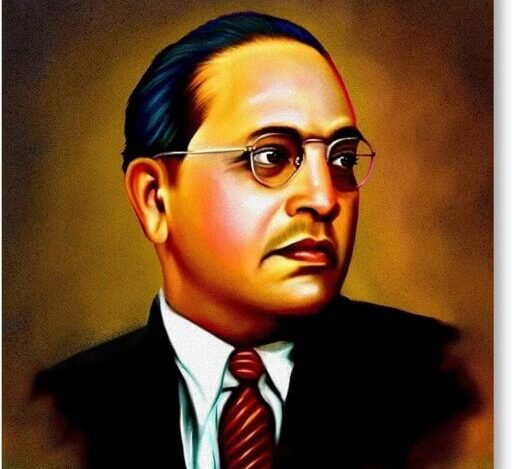
The term “caste” represents a social hierarchy or order based on birth in South Asia. The terminology varies by region and country. In his 1936 speech, Dr. B.R. Ambedkar outlined South Asia’s caste system and its function. In recent decades, many South Asians have immigrated to the U.S. The question in law is more narrow: is it possible to sue for employment discrimination based on caste in the U.S.? Some scholars disagree and cite a lack of case law in the U.S. as an explanation.
California relied on:
The California Civil Rights Department filed a Federal case against Cisco in June 2020 under Title VII and state law, alleging discrimination based on religion, ancestry, national origin and race or color (California Civil Rights Department, press release, 2020). The Department didn’t utilize a law that specifically referred to caste because it didn’t exist.
The first US ordinance was passed in Seattle.
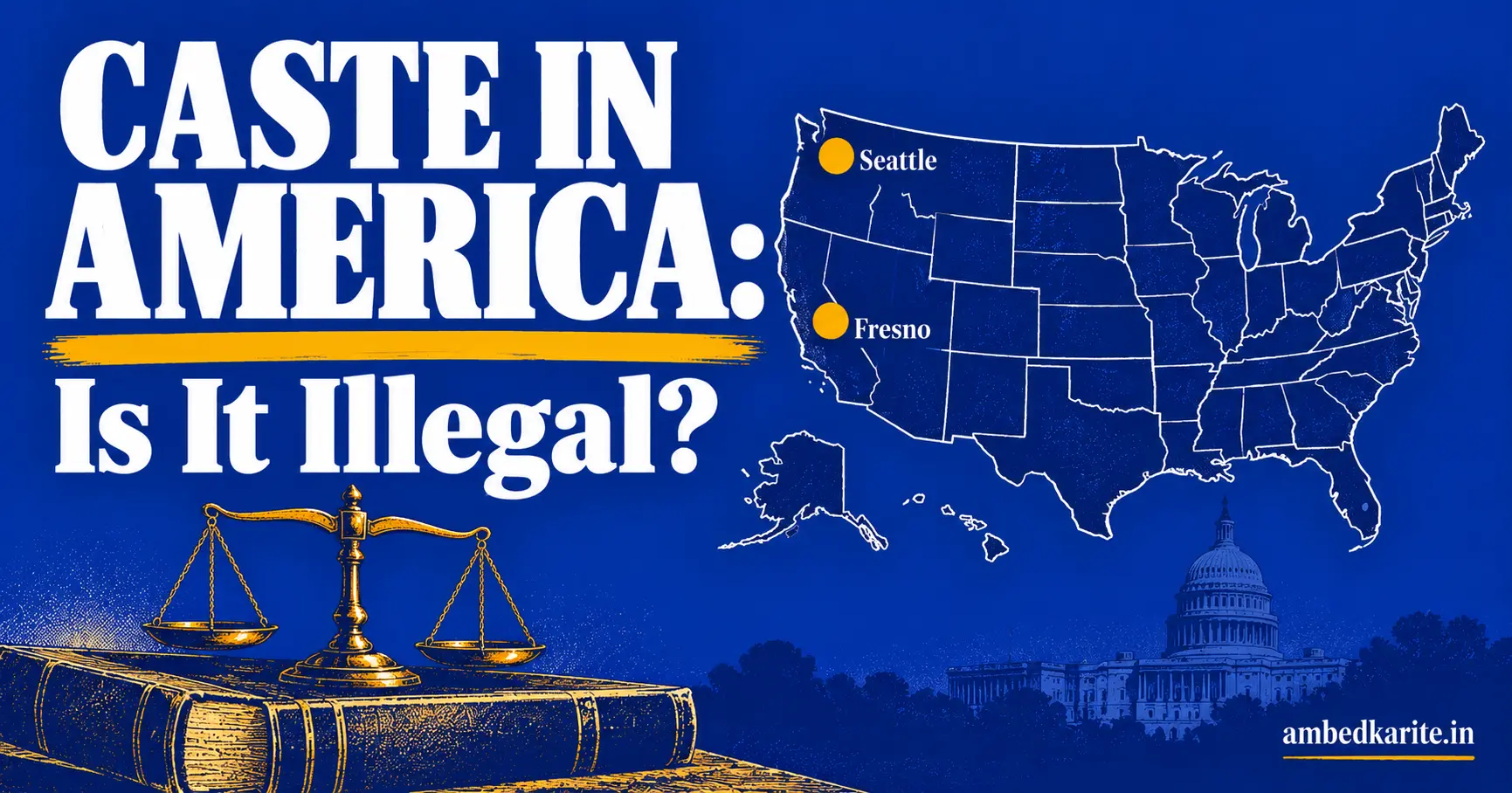
On February 21, 2023, the Seattle City Council passed an ordinance by a vote of 6 to 1 (Epstein Becker Green, Workforce Bulletin; AsAmNews, May 2026). It was effective from March 25, 2023 (JD Supra, “An Emerging Protected Class”). It only applies to public and private employers within the City limits of Seattle (JD Supra).
Under the ordinance, caste means, “a system of social ranking by birth, marriage and social interaction that is sealed by customs, laws and/or religion and social norms” (JD Supra). The sponsors of the law said it was not directed at Hinduism (BambooHR, “Important Things You Need To Know About Caste Discrimination”).
Elsewhere in California
Fresno became the second city in the US to act. On September 28, 2023, its City Council unanimously passed a resolution adding Caste and Indigeneity to its protected classes (Littler, “California Governor Vetoes Bill Banning Caste Discrimination”). Sikh and Oaxacan residents led the effort (Littler).
In 2022, the California State University System added Caste to its anti-discrimination policies (Queens Ledger, May 2026). An interim policy led to a lawsuit (JD Supra).
California SB 403
California’s legislature passed Senate Bill 403 in September 2023 (Epstein Becker Green, Workforce Bulletin). It would have added caste to the definition of “ancestry” in the Fair Employment and Housing Act, the Unruh Civil Rights Act and the Education Code. It would have defined caste as a person’s perceived position in a system of social ranking based on inherited status (Munck Wilson, “California Compliant”).
Governor Gavin Newsom vetoed the bill on October 7, 2023. He said it was unnecessary, as state law already bans discrimination on the basis of ancestry, race, religion and national origin (Littler). The supporters of the bill argued that the law does not name caste and, therefore, gives no protection from caste-based discrimination.
New York: bills did not pass
During the 2025-2026 session, New York lawmakers proposed bills S6531 and A6920 to prohibit caste discrimination in the workplace and in housing and other public accommodations (New York State Senate, S6531). Supporters of the bill held a rally during Dalit History Month (NEPYORK, April 2026). Zohran Mamdani, then an assemblyman and now New York City’s mayor, was one of the bill’s sponsors (Prism Reports, May 2026).
As of the most recent reliable report, no US state has passed a law that names caste. In 2018, Swati Sawant filed New York’s first caste discrimination lawsuit on behalf of a Nepali worker. The state’s Division of Human Rights dismissed it, stating that, under the law, caste is not a protected classification (Queens Ledger, May 2026).
The Cisco Case: Where it Stands
This is the most well-known case of caste-based discrimination in the U.S. In June 2020, a California agency stated that a Dalit engineer was paid less and promoted less than non-Dalit engineers, partly due to pressure from higher-caste managers to impose a “traditional order” (AP, via Courthouse News). Cisco denies the allegations and states it will defend the lawsuit (ThePrint, April 2023; CBS San Francisco). The company states that its internal investigations did not support the engineer’s allegations (AsAmNews, July 2025).
On April 10, 2023, the agency voluntarily dropped its case against two individual engineers. It stated the case against Cisco was “ongoing” (NBC News, April 2023). A federal judge later dismissed a separate case filed by the Hindu American Foundation against the agency and stated the plaintiffs did not have legal standing (AsAmNews, July 30, 2025). According to the most recent report, the case against Cisco is still being pursued.
What the Data Shows about Caste in America
There is not much data to show how prevalent caste-based discrimination is in the U.S. The two most widely cited studies illustrate this.
Equality Labs, a U.S.-based advocacy group, surveyed approximately 1,500 South Asians in 2018 and reported that the Dalit respondents faced discrimination and unfair treatment at work. The Carnegie Endowment criticized Equality Labs for its study for using a self-selected sample (Carnegie Endowment, The Social Realities of Indian Americans, 2021). Approximately 24% of the respondents were Dalit (UnHerd, 2022).
Accredited research by the Carnegie Endowment for International Peace surveyed Indian Americans on caste discrimination in 2020 and 2024. According to research summarized by the Hindu American Foundation (2021), 5% of respondents said they experienced discrimination in the past year. In 2024, according to the Carnegie research cited by the Queens Ledger, 77% of respondents were in favor of anti-caste laws.
The argument against caste laws
The Hindu American Foundation and related organizations oppose naming caste in the law. They argue that discrimination is covered under the law and the naming of caste in law would single out South Asians and Hindus (Queens Ledger, May 2026; Prism Reports, May 2026). Another point of criticism is that no state has legislated for it (City Journal, June 2026).
The other side says that naming it in the law provides a tool to discourage the bias and gives an avenue to employers to take action. Both sides agree discrimination should be illegal. The issue is whether to say so in the law.
What employers should know
There are explicit rules for employers in Seattle and Fresno. Elsewhere, law firms counsel employers to consider adding caste to their policies and training (Littler). This is based on the Cisco case, where the state argued that existing categories encompassed it. Another reason is that a worker could raise a claim under an existing protection, religion or ancestry, for example.
How the Dalit story connects to this
For centuries, Dalits were kept out of print and public records. Today, diaspora communities document their own experiences with blogs, AI tools and email lists. (The Ambedkarite Educational Program was built to teach exactly these skills.) Our Ambedkar biography page explains where this movement began.
Takeaway
No federal law names caste in the US. Seattle and Fresno are the only cities that have banned it explicitly. California’s statewide bill was vetoed in 2023, and New York’s 2026 bills did not pass. Workers can still sue under existing categories such as race, religion, ancestry and national origin, and the Cisco case tests that approach. Survey evidence on how common caste bias is remains disputed. The law is still changing, so employers and workers should check current rules in their state.
Frequently Asked Questions
Is caste discrimination illegal in the United States?
No federal law names caste. Seattle and Fresno have banned it by local ordinance. Legal scholars argue that existing laws on race, religion or national origin may already cover it, but courts have not settled this.
Which US cities ban caste discrimination?
Seattle (effective March 2023) and Fresno, California (September 2023). The California State University system also added caste to its policy in 2022.
What happened to California’s SB 403?
The legislature passed it in September 2023. Governor Newsom vetoed it on October 7, 2023, saying existing state law already bans caste discrimination.
What is the status of the Cisco caste lawsuit?
California’s civil rights agency sued Cisco in 2020. It dropped its case against two individual engineers in April 2023 but continued against the company. As of the last reliable report, the case against Cisco is still active, and Cisco denies the allegations.
Understanding caste is step one. Building digital independence is step two.
Ambedkarite communities around the world are using AI tools, blogging and email marketing to document their experiences, challenge discrimination and build platforms that cannot be silenced.
The Ambedkarite Educational Program teaches exactly these skills: AI tools, website building, email marketing, blogging and Google AI. Lifetime access is ₹297 (~$4 USD). All future courses are included free.
Or join the Movement free to start learning today.
SOURCES
- Littler, “California Governor Vetoes Bill Banning Caste Discrimination”
- Munck Wilson Mandala, “California Compliant”
- JD Supra, “An Emerging Protected Class”
- Epstein Becker Green, Workforce Bulletin
- California Civil Rights Department, “DFEH Sues Cisco Systems, Inc.”
- Courthouse News, AP report
- NBC News, April 2023
- AsAmNews, July 30, 2025
- New York State Senate, Bill S6531
- Queens Ledger, May 5, 2026
- Prism Reports, May 11, 2026
- City Journal, June 23, 2026
- BambooHR, “Important Things You Need To Know About Caste Discrimination”
- Carnegie Endowment, 2025
- UnHerd, 2022
- Add before publishing: ThePrint (April 2023), CBS San Francisco, NEPYORK (April 2026), Wikipedia/legal scholarship source for Title VII (replace with a law review article if possible)