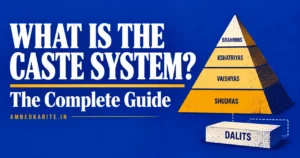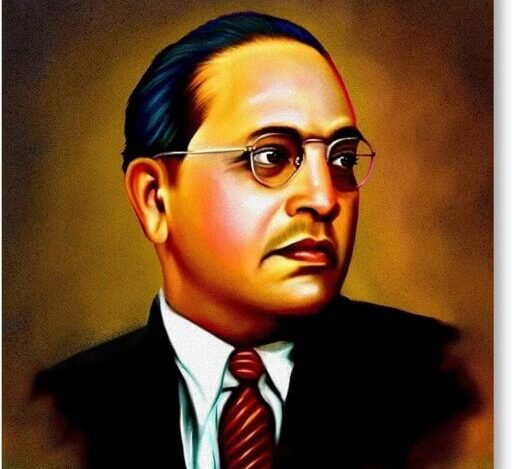
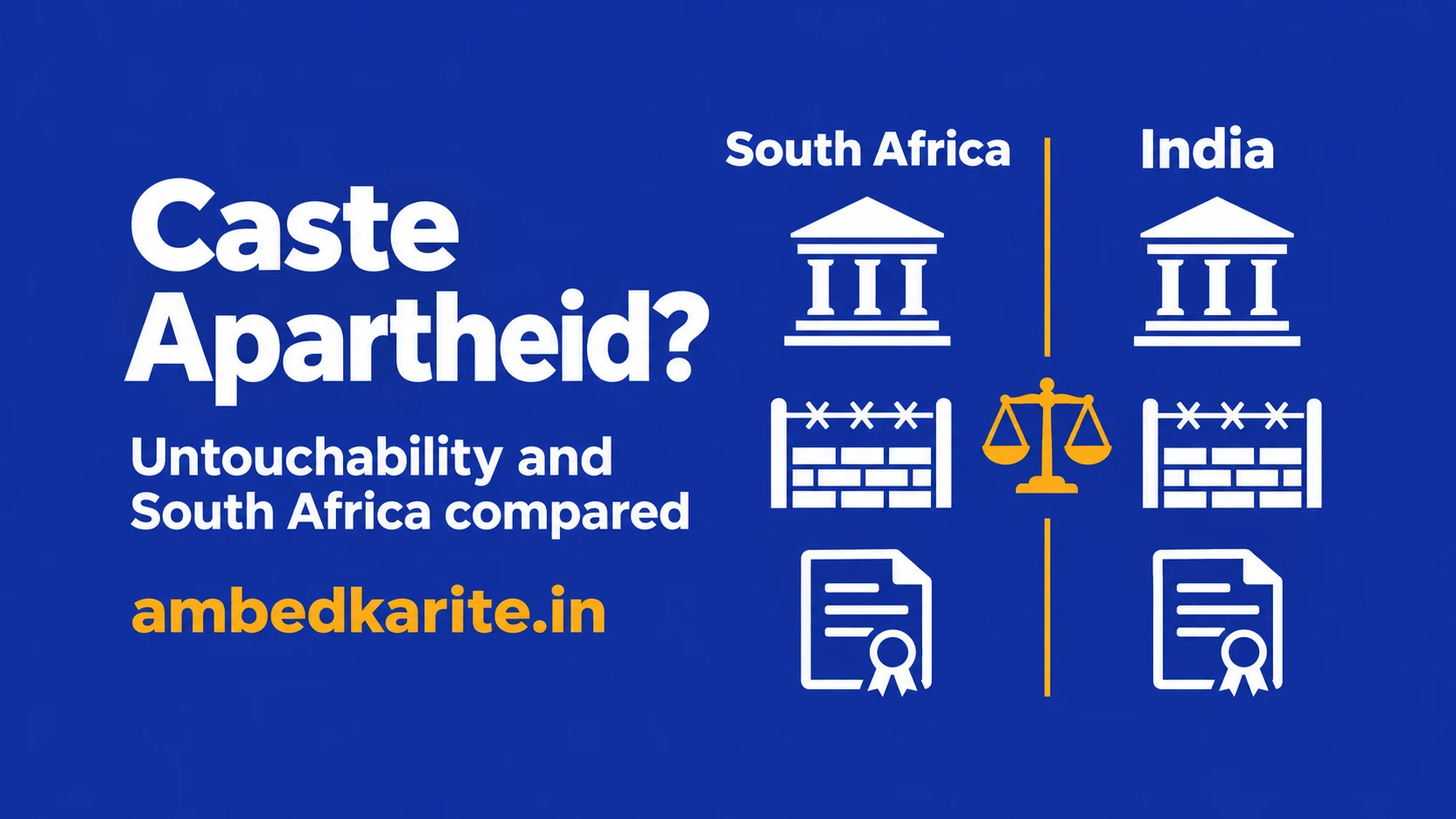
Caste apartheid is a phrase some rights groups use for the segregation of Dalits in India, and scholars dispute it (Human Rights Watch, 2001; Dorf on Law, 2007). Some human rights groups have compared the situation of Dalits to apartheid. Scholars have typically been critical of this comparison (Human Rights Watch, 2001). Similar comparisons have been drawn to the apartheid regime in South Africa between 1948 and 1994 (EBSCO, 2025). Within Human Rights Watch’s studies, there are examples of entire villages in India being separated according to case (2001). Prior to the Durban conference in 2001, Human Rights Watch referred to the situation facing Dalit communities as ‘hidden apartheid’ (2001). Mandela and Ambedkar have been identified as two major figures in the fight against caste and race based discrimination respectively (Forward Press, 2014). Dalits are people who historically have been referred to as ‘untouchables’. Both terms refer to the same social class or cluster of social classes.
Untouchability in South Africa
Apartheid is an Afrikaans word meaning “the status of being apart,” and it names the legal system of racial segregation that ruled South Africa (EBSCO, 2025).
Apartheid was the legal segregation of the population of South Africa into racial and social classes, namely whites, blacks and coloureds. 1949 saw the enactment of the Prohibition of Mixed Marriages Act which prohibited marriages between persons of different races. Sexual intercourse between persons of different races was criminalized in 1950. 1950 also saw the enactment of the Population Registration Act which required the population to be classified on the basis of race. The Group Areas Act similarly classified areas of residence based on race. 1950 also saw the enactment of the Group Areas Act which mandated the occupation of different areas by different racial groups. 1991 saw the repeal of most of these apartheid laws. South Africa held its first democratic, multiracial elections in 1994.
Untouchability and Segregation in India
According to Human Rights Watch’s 2001 report, Dalits are denied access to the same utensils, temples and water sources as other castes. Dalit children are required to sit in the back of the classroom by other students of higher castes. The report also states that in several areas of India entire villages are inhabitated by a single caste.
Human Rights Watch’s 2007 report stated that throughout India ‘untouchability’ is widespread and is condoned by various religions. State agencies have taken no measures to implement India’s constitutional provisions and various court orders which are directed at abolishing ‘untouchability’. Therefore, both state and non-state actors are responsible for perpetrating these human rights violations on Dalits with impunity.
Documenting segregation is slow work, and clear written records help others find it. The Ambedkarite Educational Program teaches blogging and website building, which are skills for keeping records like these.
Caste apartheid compared: parallels and differences
| Question | Apartheid in South Africa | Untouchability in India | Source |
|---|---|---|---|
| Legal basis | A system of racial segregation enforced by law, 1948 to 1994 | Abolished by Article 17 of the 1950 Constitution; practice persists | EBSCO, 2025; Human Rights Watch, 2007 |
| Who ruled | A white minority controlled the state | Caste hierarchy operates inside one society, across faiths | EBSCO, 2025; Human Rights Watch, 2007 |
| Classification | Everyone registered by race under the Population Registration Act of 1950 | No national caste register of this kind found in the sources reviewed | EBSCO, 2025 |
| Where people lived | Group Areas Act of 1950 set residence by race | Villages and neighborhoods segregated by custom, reported in many Indian states | EBSCO, 2025; Human Rights Watch, 2001 |
| Marriage | Mixed marriages banned in 1949; sex across races criminalized in 1950 | Control of marriage is a feature scholars describe, not a law | EBSCO, 2025; this article’s reading of Human Rights Watch, 2007 |
| Public life | Pass laws and separate facilities | Wells, temples, tea stalls and classrooms reported as segregated | EBSCO, 2025; Human Rights Watch, 2001 |
| Role of the state | State enforced segregation | Constitution and laws prohibit it; the 2007 report says state and private actors still commit abuses | Dorf on Law, 2007; Human Rights Watch, 2007 |
| How it ended or changed | Major laws repealed in 1991; first multiracial election April 27, 1994 | Untouchability abolished in 1950; discrimination continues | EBSCO, 2025; Human Rights Watch, 2007 |
Sources: EBSCO, 2025; Human Rights Watch, 2001 and 2007; Dorf on Law, 2007. The comparison is an analogy used by some rights groups, and India’s government rejects treating caste as racial discrimination.
DALIT APARTHEID DURBAN
Human Rights Watch released their report on ‘Caste’ in 2001, to be circulated at the United Nations World Conference against Racism, in Durban (HRW, 2001). There, Dalit groups wished for ‘Caste’ to be framed within the definition of racial discrimination (2016). The Indian government rejected this and argued that ‘Caste’ based discrimination should not be considered within the context of racial discrimination (2016).
Ultimately ‘Caste’ did not find mention in the Durban declaration (2016). In 2007 the Indian government repeated their stance to the United Nations committee (HRW, 2007).
What is wrong with the comparison and who states it
A 2007 law blog states that apartheid was state enforced law (Dorf on Law, 2007). Discrimination based on caste in India persists despite laws outlawing it (Dorf on Law, 2007).
The Constitution of India, adopted in 1950, outlawed untouchability and other forms of discrimination based on caste (Human Rights Watch, 2007). Apartheid, on the other hand, was a system to enforce the political dominance of the white minority in South Africa (EBSCO, 2025).
Caste and apartheid comparison
From a legal viewpoint, caste apartheid would be more accurate (Dorf on Law, 2007). Comparisons to untouchability in South Africa would be more appropriate from a practical point of view (Human Rights Watch, 2007; EBSCO, 2025). Untouchability still exists in many villages in India and was banned in 1950 by the Constitution of India (Human Rights Watch, 2007). Supporters of the Dalit cause in South Africa have compared the situation of the Dalits to that of the blacks in South Africa and apartheid to come up with ‘Dalit apartheid’ (Sciences Po CERI, 2016). Mandela and Ambedkar have been compared by some writers but there is no evidence to suggest that the two leaders ever met (Forward Press, 2014).
Readers who want to learn to write clear, sourced accounts of history can start with the Ambedkarite Educational Program, a lifetime-access course at ₹297 (about $4 USD) with all future courses included. The free Movement page is another place to begin.
This article draws on Human Rights Watch reports from 2001 and 2007, a reference summary of South Africa’s apartheid laws, a paper on the 2001 Durban conference, a 2007 law-blog post, and press commentary on Ambedkar and Mandela. The comparison is described as an analogy, with its critics’ objections. I read excerpts of the Human Rights Watch reports, not the full texts.
Last updated: November 25, 2026
Frequently Asked Questions
What is ‘caste apartheid’?
The term ‘caste apartheid’ has been used by some human rights groups to describe the situation of Dalits in India. The term first appeared in two Human Rights Watch reports in 2001 and 2007. Scholars have largely been critical of this term. The government of India has also rejected comparisons of ‘caste’ with ‘race’ and ‘apartheid’ (Dorf on Law, 2007).
What similarities and differences exist between apartheid in South Africa and untouchability in India?
Both systems of segregation prohibit members of a particular group from using the same public facilities and from inter-marrying. The Constitution of India outlaws untouchability. Despite this, in practice, members of touchable castes continue to practice and enforce various forms of discrimination against Dalits (Human Rights Watch, 2007; EBSCO, 2025).
What is the relationship between untouchability and other forms of discrimination?
Human Rights Watch has stated that Dalits are excluded from using the same wells and temples as other castes. Some villages are completely divided along caste lines. Human Rights Watch has also stated that this practice is condoned by various religions and branches of religion (2007).
What did Dalit groups say about apartheid at Durban?
At Durban 2001 Dalit groups requested that in addition to the existing definitions of racial discrimination, a separate definition be included to enable victims of caste discrimination to gain redress. The Indian government rejected this request (Sciences Po CERI, 2016). Before the conference Human Rights Watch used the term “hidden apartheid” to describe the situation of Dalits in India (2001).
Did Mandela and Ambedkar ever meet?
Both have been compared by some writers, and both received India’s highest civilian award, the Bharat Ratna, in 1990. However, in the course of this research I found no evidence to suggest they ever met (Forward Press, 2014). Mandela referred to Gandhi as his “political guru” (Deccan Herald, 2013).
Sources
- Human Rights Watch: Caste Discrimination: A Global Concern, August 2001
- Human Rights Watch: Hidden Apartheid: Caste Discrimination against India’s “Untouchables,” February 2007
- Human Rights Watch: press release, February 13, 2007
- Dorf on Law: Indian “Apartheid,” Hidden in Plain View, 2007
- EBSCO Research Starters: Apartheid
- Sciences Po CERI: World Conference against Racism 2001 and caste (Questions de Recherche)
- Forward Press: More in common with Ambedkar than with Gandhi, 2014
- Deccan Herald: Mandela had strong Indian connections, 2013
- Sociology Institute: The Role of Indian South Africans: From Gandhi to Apartheid and Beyond