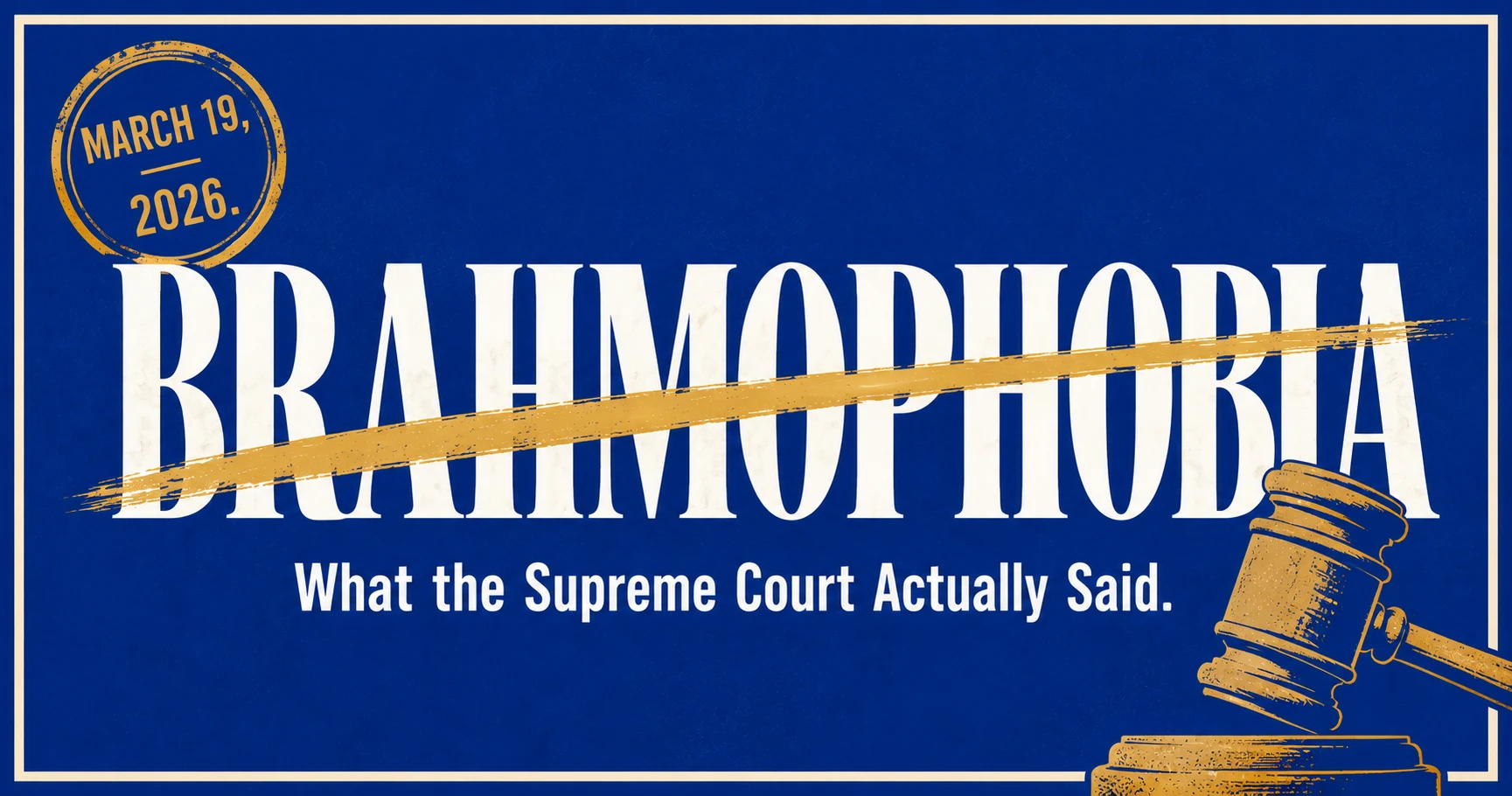
ब्राह्मणफोबिया क्या है? एक term जो X पर viral हुआ, Supreme Court तक पहुँचा, और 2026 में dismiss हो गया। पूरा सच, source के साथ।
देख भाई, एक fact जो सारी “ब्राह्मणफोबिया” वाली कहानी की हवा निकाल देता है 👇
19 मार्च 2026 को Supreme Court से माँगा गया कि “ब्राह्मणफोबिया” को caste discrimination की तरह punishable category माना जाए। Bench ने कुछ मिनट सुना। फिर एक सवाल पूछा जिसने पूरा argument गिरा दिया — एक community को special protection क्यों, जो किसी और को नहीं मिलती?
Petitioner ने petition वापस ले ली। पर right-wing X अभी भी इसे “court ने brahmin pain ignore कर दी” वाला spin दे रहा है। तो चल, बात करते हैं ब्राह्मणफोबिया क्या है, ये term किसने बनाया, और SC ने क्यों नहीं माना।
ब्राह्मणफोबिया क्या है इसके पुश करने वालों के According?
ये term 2024 की एक किताब से आता है — Brahmin Genocide: A Precursor to Hindu Extinction, जिसे Sapta Rishi Sansthan ने publish किया है। तो उनके खुद के शब्दों में ब्राह्मणफोबिया क्या है? किताब इसे define करती है — “ब्राह्मणों, उनके धार्मिक symbols, practices और beliefs के खिलाफ hatred, fear, contempt, prejudice।”
Core claim simple है। उनका कहना है कि ब्राह्मणों ने सदियों से systemic hate झेली है — colonial propaganda, 1948 Maharashtra में Gandhi assassination के बाद की violence, 1990 का Kashmiri Pandit exodus, और आज का social media targeting। वो कहते हैं SC/ST (Prevention of Atrocities) Act, 1989 जैसा एक अलग कानून ब्राह्मणों के लिए भी चाहिए।
Petitioner Mahalingam Balaji ने ये केस Supreme Court में Mahalingam Balaji v. Union of India (Diary No. 69172/2025) के नाम से ले गए। उनकी plea में बहुत कुछ माँगा गया। ब्राह्मणफोबिया की criminal recognition। 19 जनवरी को “Genocide Victims Solidarity Day”। School syllabus में बदलाव। “Caste-based hate speech” करने वाले public officials की disqualification। ब्राह्मण discrimination पर white paper।
ये उनका steel-man case हुआ। अब receipts देख।
ब्राह्मणफोबिया supreme court verdict ने सच में क्या कहा
Bench में थे Justice B.V. Nagarathna और Justice Ujjal Bhuyan — आज की judiciary के सबसे respected names में से दो। उन्होंने hate speech के नुकसान को नकारा नहीं। उन्होंने community-specific shield बनाने को नकारा।
जो line मायने रखती है वो ये थी। Justice Nagarathna ने कहा — किसी भी community के against hate speech की जगह India में नहीं है, पर ये education, intellectual development, tolerance और patience पर depend करता है। एक बार सब fraternity follow करने लगें, hate speech automatically खत्म हो जाएगी।
फिर उन्होंने वो सवाल पूछा जिसने पूरी strategy expose कर दी। एक specific community सिर्फ अपने लिए protection क्यों माँग रही है, बाकी सबके लिए क्यों नहीं?
Petitioner के पास जवाब नहीं था। तो उन्होंने withdrawal माँगा। Court ने allow किया। Order: writ petition dismissed as withdrawn।
तो SC ने actually क्या ruling दी? Existing hate speech laws पहले से हर community को equally cover करते हैं। नई category नहीं चाहिए। अगर कोई brahmin व्यक्ति hate speech face करता है, तो वो existing IPC/BNS provisions के under file करे — जैसे बाकी सब करते हैं।
ब्राह्मणफोबिया का argument कहाँ टूटता है
चार बड़े problems उस case में थे जिसे Court ने entertain नहीं किया।
1. Hate Speech कानून पहले से सब को cover करते हैं
Bharatiya Nyaya Sanhita (BNS) ने जुलाई 2024 में IPC को replace किया। BNS के sections जैसे 196, 197 और 299 — ये communities के बीच enmity फैलाने, national integration के against बोलने, और religious feelings hurt करने को handle करते हैं। ये sections नहीं पूछते कि victim किस caste का है। सब पर लागू हैं।
तो अगर कोई brahmin individual targeted threat या slur face करता है, कानून already exists। Court ने यही court में कहा — specific instances appropriate forums पर file करो, writ petition में नई category की demand मत करो।
2. SC/ST Act भावनाओं के लिए नहीं, documented exclusion के लिए है
यहाँ argument सबसे बड़ी जगह टूटता है। SC/ST (Prevention of Atrocities) Act, 1989 कोई feelings law नहीं है। ये response है सदियों की documented material exclusion का। मंदिर में नहीं घुसने देना। कुएँ का पानी नहीं देना। School में नहीं बैठने देना। Forced labour। खाने की अलग प्लेट। और धार्मिक texts में codified untouchability जिसे social violence से enforce किया जाता था।
Constitution का अनुच्छेद 17 साफ कहता है — “Untouchability is abolished।” ये metaphor नहीं है भाई। ये admission है उस system का जो specific communities के against 2000 साल चला — ब्राह्मणों के against कभी नहीं।
तो SC/ST Act और कोई hypothetical Brahmin Atrocities Act legal parallel नहीं हैं। दोनों दो बिल्कुल अलग historical realities address करते। एक documented systemic exclusion है। दूसरा hurt online discourse है।
3. Numbers “victim community” की कहानी support नहीं करते
NCRB Crime in India 2023 report — September 2025 में release हुई — उस साल अकेले Scheduled Castes के against 57,000+ cases record किए गए। चार states — UP, Rajasthan, MP और Bihar — total का दो-तिहाई हिस्सा थे। SC population में per lakh crime rate 28.6 था।
NCRB में “crimes against brahmins” वाली कोई category नहीं है क्योंकि systemic pattern measurable category के रूप में exist ही नहीं करता। Brahmin individuals के against individual crimes regular law के under prosecute होते हैं — बाकी citizens की तरह।
Comparison के लिए देख — National Coalition for Strengthening SCs and STs (PoA) Act का NCRB data analysis बताता है कि 60% से ज्यादा SC/ST atrocity cases acquittal या discharge में खत्म होते हैं। तो dedicated कानून के साथ भी, system Dalits और Adivasis को रोज़ fail कर रहा है।
यही actual problem है Indian jurisprudence में। missing brahmin shield नहीं।
4. “Genocide” claim definitions के सामने टूटता है
किताब का title — Brahmin Genocide: A Precursor to Hindu Extinction — एक ऐसा शब्द use करता है जिसका strict legal meaning है। UN Genocide Convention, 1948 के according — genocide वो acts हैं जो किसी national, ethnic, racial या religious group को whole या part में destroy करने के intent से किए गए हों।
1948 Maharashtra के anti-brahmin riots Gandhi assassination के बाद — एक real tragedy थे। पर mainstream Indian historians उस violence को communal riots मानते हैं — UN definition के under legal genocide नहीं। वो wrong थे, condemnable थे, और तब prosecute हुए।
1990 का Kashmiri Pandit exodus Pakistan-backed militancy की वजह से था Valley में। ये ethnic cleansing event है — बहुत लोग ऐसे ही recognise करते हैं। पर इसका blame mainland India के “anti-caste movements” पर डालना — ये category error है। वही anti-caste movements Kashmiri Pandits के साथ displaced citizens की तरह खड़े रहे, against नहीं।
“Genocide” को online discourse और academic critique तक stretch करना — यही वो move है जो शब्द को actually water down करता है।
ब्राह्मणफोबिया क्या है Constitutional reality में
Short answer — ब्राह्मणफोबिया क्या है: ये एक manufactured label है जो historical और legal record को flip करने की कोशिश करता है।
अनुच्छेद 14 कानून के आगे equality देता है। अनुच्छेद 15 caste पर discrimination ban करता है। अनुच्छेद 17 untouchability abolish करता है। ये articles मिलकर already हर Indian को caste से बेफिक्र protect करते हैं। साथ ही same articles ये भी recognise करते हैं कि कुछ groups को affirmative protection चाहिए क्योंकि उन्होंने historical exclusion झेली है — इसीलिए अनुच्छेद 15(4), 16(4) और 46 exist करते हैं।
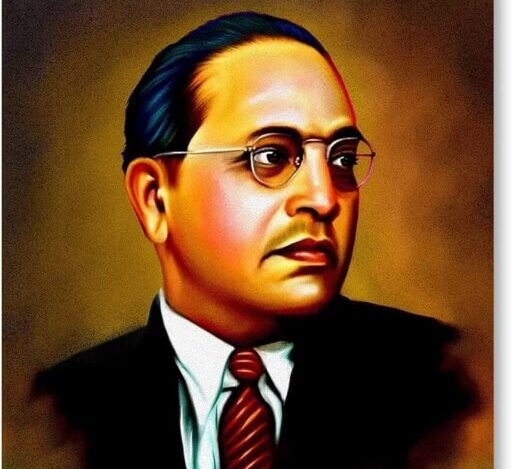
संविधान सभा में Babasaheb ने अनुच्छेद 17 इसलिए नहीं draft किया कि dalits की भावनाएँ हर्ट थीं। उन्होंने इसलिए draft किया क्योंकि dalits को सदियों पानी, education, मंदिर entry, और dignity से deny किया गया था। उन्होंने receipts record किए। 1947-49 के CAD volumes public record हैं। Brahmins के लिए parallel case इसलिए नहीं बना क्योंकि parallel exclusion exist नहीं करती थी।
Babasaheb ने 1920 में मूकनायक शुरू करने के लिए permission नहीं माँगी। अपना खुद का अख़बार निकाला क्योंकि कोई upper-caste paper Bahujan voices छापने को तैयार नहीं था। आज platforms X, YouTube, Substack हैं — और Bahujans को अभी भी अपना infrastructure चाहिए। यही Ambedkarite Educational Program में सिखाया जाता है।
“ब्राह्मणफोबिया” trend में क्यों रहती है
Playbook देख — चार steps में। पहला: एक fake phobia का नाम दे। फिर legal recognition माँग। उसके बाद उस recognition से SC/ST protections के साथ parity claim कर। आखिर में argue कर कि “अब सब protected हैं,” तो SC/ST Act special नहीं रहा और इसे dilute या repeal कर देना चाहिए।
ये strategy discourse में move होती दिख रही है। Right-wing accounts X पर रोज़ #Brahmophobia push कर रहे हैं। किताबें इसे “early warning signs of genocide” के रूप में frame कर रही हैं। YouTube videos court verdicts को “lecture on tolerance” बता रही हैं। हर step manufacture करता है moral parity — सदियों की untouchability और modern online critique के बीच।
Supreme Court bench ने ये देखा। इसीलिए Justice Nagarathna ने वो सवाल पूछा। एक community के लिए protection, या सब के लिए fraternity? Constitution ने fraternity 1949 में already चुना था।
The Takeaway
SC ने brahmin pain ignore नहीं की। उसने एक ऐसी community के लिए legal category invent करने से मना किया जो already legal, academic, media और political systems को run कर रही है। ये bias नहीं है। Neutrality असल में ऐसी ही दिखती है।
अगर कोई brahmin individual real hate speech face करता है — existing कानून के under FIR file करे। Court ने literally यही path बताई। Court ने जो refuse किया वो था Constitution rewrite करना — जिससे caste-based protections dilute हो जाएँ जो documented historical reasons की वजह से exist करते हैं।
यही जवाब है ब्राह्मणफोबिया क्या है का — legal और constitutional terms में।
Educate. Agitate. Organize.
Babasaheb ने तीन शब्द दिए। ये blog पढ़ना “Educate” है। पर Agitate और Organize कहाँ?
आज X उन accounts को ban करता है जो caste narratives को question करते हैं। Reels पर shadow-ban। WhatsApp groups report हो रहे हैं और lock। तो Bahujans को अपने platforms चाहिए — emails, blogs, websites, AI tools। Infrastructure हमारा होना चाहिए।
Ambedkarite Educational Program इसी काम के लिए बना है। ₹297 lifetime access। Prompt Engineering, Google AI, Website Building, Email Marketing, Blogging & SEO, और Canva शामिल हैं। आगे आने वाले सारे courses भी free।
या Movement free join कर — email list से शुरुआत कर।
Frequently Asked Questions
ब्राह्मणफोबिया क्या है simple terms में? ये 2024 की एक किताब में बनाया गया term है, जो ब्राह्मणों के against alleged hate speech describe करता है। Supreme Court ने मार्च 2026 में इसे punishable category के रूप में recognise करने से मना कर दिया। Court ने कहा existing कानून पहले से हर community को cover करते हैं।
क्या Supreme Court ने ब्राह्मणों के against rule किया? नहीं। Court ने rule किया कि existing hate speech laws पहले से हर community को equally protect करते हैं — ब्राह्मण समेत। उसने community-specific shield बनाने से मना किया क्योंकि वो fraternity के principle को तोड़ देता।
क्या anti-brahmin hate speech India में illegal है? हाँ। BNS sections 196, 197 और 299 किसी भी community के against hate speech को cover करते हैं — ब्राह्मण भी शामिल। Court ने petitioners को इन्हीं existing कानूनों और lower forums की तरफ point किया।
ब्राह्मणफोबिया SC/ST Act से कैसे अलग है? SC/ST Act documented historical और material exclusion address करता है — untouchability, services से denial, caste-based atrocities। हर्ट feelings नहीं। Brahmophobia argument के पास equivalent material record नहीं है क्योंकि brahmins को historically मंदिर, कुएँ या school से deny नहीं किया गया था।
Supreme Court में mahalingam balaji केस किसने file किया? Mahalingam Balaji ने in person file किया। Case का title है Mahalingam Balaji v. Union of India, Diary No. 69172/2025। 19 मार्च 2026 को Justices B.V. Nagarathna और Ujjal Bhuyan ने सुना।
Sources — with links
- Mahalingam Balaji v. Union of India, Diary No. 69172/2025, सुप्रीम कोर्ट, 19 मार्च 2026 — LiveLaw report
- The Wire — 23 मार्च 2026 — यहाँ पढ़ें
- The Tribune — 20 मार्च 2026 — यहाँ पढ़ें
- The Statesman — 20 मार्च 2026 — यहाँ पढ़ें
- Lawbeat — पूरा case order — यहाँ पढ़ें
- NCRB Crime in India 2023, September 2025 — NCRB official
- The Week — NCRB SC/ST Act analysis, 8 दिसंबर 2025 — यहाँ पढ़ें
- NCDHR Report, मार्च 2026 — PDF
- Constitution of India — अनुच्छेद 14, 15, 17 — India Code official text
- Constituent Assembly Debates, 1947–49 — CADIndia archive
- Brahmin Genocide किताब, Sapta Rishi Sansthan, 2024 (opponent self-source) — Brahmin Genocide site | Sapta Rishi petition page
- UN Convention on Genocide, 1948 — UN official
तेरी क्या राय है भाई? नीचे कमेंट कर और इस article को उन लोगों तक भेज जो आज भी इस झूठ पर यकीन करते हैं।