Yashica Dutt is an Indian-American journalist who published her memoir Coming Out as Dalit in 2019. It discusses her experience of hiding her caste, as well as other Dalit experiences (Wikipedia, “Coming Out as Dalit”). This literature review includes a summary, primary themes, publications, and audience. It avoids major spoilers, relying on the book publisher’s description for spoiler-free information.
What is the Coming Out as Dalit book about?
The publisher’s description states the book begins with the 2016 death of Dalit student Rohith Vemula, which prompted discussions of Dalit students in Indian universities (Aleph Book Company blurb, as reproduced by Awaaz). Being in the media in New York, this was the point where Dutt could stop hiding her Dalit identity from her friends and colleagues where she had been hiding for over a decade (Aleph blurb). Dutt describes the psychological pain of living with a secret and the fear of being exposed (Aleph blurb). This guide explains the term Dalit.
It is partially an autobiography and partially a history of the Dalit people (Aleph blurb). Dutt describes the Dalit movement and the struggle for access to education, culture, and freedom (Aleph blurb). She also describes the absence of Dalit voices in the media (Aleph blurb).
About Yashica Dutt
Dutt is a NY-based journalist covering gender, identity, and culture (Aleph Blurb). Previously, she was a correspondent for Brunch and the Hindustan Times (Aleph Blurb). Dutt has written for The New York Times, Foreign Policy, and The Atlantic and is a graduate of the Columbia Journalism School (University of Wisconsin-Madison and South Asia Programs, Speaker Page). She established a blog that documents Dalit atrocities (Aleph Blurb).
The book was first published by Aleph Book Company in India on February 20, 2019 (Goodreads). The US publication by Beacon Press contains two additional chapters on the history of caste and immigration to the US and the professional bias in the South Asian American community (Goodreads, description of the expanded edition; Wikipedia). Please see the log for the US publication year.
Coming out as Dalit summary: main themes
- Passing. Dutt writes about learning to hide her caste to pass as upper caste in order to be accepted in different social circles (Indie Journal, Book Review: Coming out As Dalit). For about 10 years, she was forced to cover her true identity to find acceptance and success in a variety of social circles (Goodreads, Description). Our Post on “Why Dalit Students Hide Their Caste?” covers a similar fear among Dalit students in the West.
- Her family and mother. The book is dedicated to Rohith Vemula, and to her mother (Indie Journal). It also describes her mother’s desire to give her children the best (Books and Conversations). It describes her mother’s struggle to raise her children in the face of social adversities. It depicts the challenges Dalit women face in the community as well as outside.
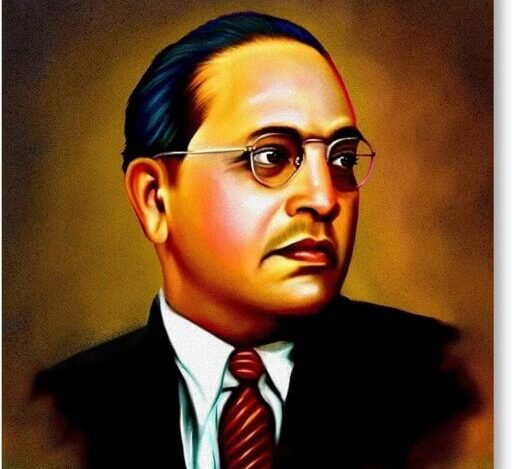
- The Dalit movement and Ambedkar. The book provides insights into the history of the movement and teaches some of Ambedkar’s doctrines (Goodreads, reader review). More on Ambedkar can be found on our biography page.
- Caste, privilege and the media. According to Aleph, the book provides insights into caste and privilege, the scarcity of Dalit voices in the media and how the voices that exist are mostly hyper-individualized (Aleph blurb).
Coming out as Dalit review: what critics said
According to Goodreads, readers considered it to be a memoir as well as a sociopolitical reflection and critique (Goodreads, reader review). The Guardian (February 2020) and NPR (March 2024) published feature articles on Dutt. The book is said to be taught in several U.S. universities (University of Wisconsin–Madison, South Asia program), and won the Sahitya Akademi Yuva Puraskar (The Wire, “Yashica Dutt’s Sahitya Akademi Yuva Puraskar”).
Criticisms
Not all readers described it as something new. One academic review states that the line caste takes is fairly known to those who are likely to read the book (Doing Sociology, review by Krishan Kumar, 2025). Others stated that the author mixed the two, a personal narrative and an academic argument (Goodreads, reader review). Readers should treat it as a personal narrative.
Who should read it?
This book has two distinct audiences. The first audience is made up of those interested in first-person accounts of hiding their caste and subsequently disclosing it, and those outside of India interested in approaching Dalit literature. One Goodreads review describes it as a good starting point for those outside of India interested in the Dalit literature movement (Goodreads). Ants Among Elephants provides another account, in a different style, and our reading list offers additional books.
Why it matters in the West
Dutt lives in the US, and the US version of this book engages the diaspora. Her talks cover both Indian Matchmaking and the South Asian diaspora (University of Wisconsin–Madison) which relates to our caste matrimony guide, and to the workplace caste discrimination in our post on caste discrimination in Silicon Valley. For resources to help communities document their own experiences, like blogging and email marketing, check out the Ambedkarite Educational Program.
Takeaway
Yashica Dutt’s Coming Out as Dalit, (published in 2019) is an account of hiding her caste for about a decade, and disclosing it after the death of Rohith Vemula in 2016. It offers a personal account, weaves in the history of the Dalit movement, and includes an additional section on the US in the US edition. Some critics describe it as a poignant combination of memoir and analysis. However, one academic reviewer described the caste background as something familiar. It is one account, and an introduction to the movement.
Frequently Asked Questions
Who is Yashica Dutt?
Yashica Dutt is an Indian-American Journalist based in New York. She is known for covering topics around gender and identity. Her piece ‘Coming Out as Dalit’ is published in The New York Times.
What is Coming Out as Dalit about?
It is a memoir based on her decision to reveal her Dalit identity after hiding it for a decade. It also covers the history of the Dalit movement and the absence of Dalits in the mainstream media.
Is Coming Out as Dalit based on true events?
Yes, It is a non-fiction memoir based on the author’s life with research and history.
Is the Coming Out as Dalit book worth reading?
Reviewers found it to be a compelling and emotional memoir with analysis. One academic reviewer felt the background on caste was too basic. It is appropriate to readers new to Dalit writing.
Where can I read books on Caste?
Our reading list includes books by Ambedkar, fiction, scholarship, and memoirs.
Understanding caste is step one. Building digital independence is step two.
Ambedkarite communities around the world are using AI tools, blogging and email marketing to document their experiences, challenge discrimination and build platforms that cannot be silenced.
The Ambedkarite Educational Program teaches exactly these skills: AI tools, website building, email marketing, blogging and Google AI. Lifetime access is ₹297 (~$4 USD). All future courses are included free.
Or join the Movement free to start learning today.
SOURCES
- Wikipedia, “Coming Out as Dalit”
- Awaaz Magazine, review, reproducing the Aleph Book Company blurb
- Goodreads, expanded edition page
- Goodreads, 2019 edition page and reader reviews
- University of Wisconsin–Madison, South Asia program, speaker page
- Indie Journal, “Book Review: Coming out as Dalit”
- Books and Conversations, review, 2019
- Doing Sociology, review by Krishan Kumar, February 2025
- The Guardian, “Coming out as Dalit,” February 2020 (listed by Wikipedia)
- NPR, Q&A with Yashica Dutt, March 2024 (listed by Wikipedia)
- Scroll, review (listed by Wikipedia)
- The Wire, on the Sahitya Akademi Yuva Puraskar (listed by Wikipedia)