What is Hindutva? It is a word for a Hindu nationalist ideology in India, first set out by V.D. Savarkar in 1923, and its meaning is disputed. Britannica describes it as an ideology that defines Indian cultural identity in terms of Hinduism, and notes that supporters often define it in purely cultural terms as a “way of life” (Encyclopaedia Britannica, “Hindutva”). This guide gives where the word comes from, how Savarkar defined it, how it differs from Hinduism in different sources, the view of the Supreme Court, and its connection to Ambedkar and to caste. Each side’s view is given in separate sources.
Meaning of Hindutva
“Hindutva” means “Hinduness.” It combines the Persian-origin word “Hindu” with the Sanskrit suffix -tva which forms abstract nouns (Fandom India wiki, “Hindutva”). The word was used earlier by Chandranath Basu, the essayist, and in his view, Hindutva is a Hindu cultural worldview and not a political ideology (Wikipedia, “Essentials of Hindutva”). In 1923, Savarkar gave the word a political definition and meaning (Britannica).
Definition of Hindutva: Savarkar’s 1923 pamphlet
In 1923, while in imprisonment at Ratnagiri, Savarkar wrote Essentials of Hindutva (Fandom India wiki; Wikipedia, “Vinayak Damodar Savarkar”). Here he defined a Hindu as one who considers India to be both fatherland (pitribhumi) and holyland (punyabhumi) (Fandom India wiki; Wikipedia). The three essentials of Hindutva in his definition are a common nation (rashtra), a common race (jati) and a common culture (sanskriti) (Wikipedia, “Hindutva”). Wikipedia (“Essentials of Hindutva”) says Savarkar’s criteria for being a Hindu is inclusive of all castes, creeds and faiths. The political scientist Christophe Jaffrelot, quotes Savarkar (who professed to be an atheist), to have played down the role of religion in his definition of a Hindu (Wikipedia, “Hindutva,” citing Jaffrelot).
Hindutva vs Hinduism
The main contention is whether Hindutva and Hinduism are synonymous.
Supporters’ view. Britannica says Savarkar argued that Hinduism is only a part of Hindutva and that, in general, Hindutva is not a religion (CJP, “What does it mean to be a Hindu?,” summarising Essentials of Hindutva). Savarkar, in Britannica’s view, characterised Hindutva as being a way of life.
Critics’ view. In Britannica’s view Hindutva is a right-wing ethno-nationalist ideology that looks to establish a Hindu nation state. Scholars (cited on Wikipedia, “Hindutva”) argue that the label of “cultural nationalism” conceals a political plan (Dharmapedia, “Hindutva,” citing scholars).
What the Supreme Court said
In a series of judgments delivered in 1995, popularly known as the Hindutva Judgments, the Supreme Court of India held that ‘no precise meaning can be ascribed’ to the terms Hindu, Hindutva and Hinduism, and that Hindutva is usually understood as a way of life or a state of mind and not as religious fundamentalism (Wikipedia, ‘Hindutva’, quoting Ramesh Yeshwant Prabhoo v. Prabhakar Kashinath Kunte; Dharmapedia). On 2 January 2017, the Court dismissed a review petition challenging the 1995 Judgment (Dharmapedia). CJP and other critics of the Judgment hold that the Court erred by equating Hindutva to Hinduism or to Indianness (CJP). The Judgment can be found on Indian Kanoon.
Hindutva and caste
Opinions differ widely.
In the case of Savarkar, it is said that he advocated against untouchability and for inter-caste dining and marriages, and his goal was to remove all social barriers to help Hindus achieve political integration, and that in the process he wanted to eliminate caste discrimination and not caste itself (The Federal, ‘Caste barrier: Where Ambedkar and Savarkar were on the same page’ ). A political science synopsis says he was of the view that caste divisions, sectarian disputes and regional loyalties were the major weaknesses of India and Hindustan (PolSci Institute, ‘Understanding Hindutva’ ).
The RSS position. The RSS has set up the Samajik Samrasta Manch, a social harmony forum, which takes a mainstream upper caste view of social harmony (Frontier, Ram Puniyani, “Mohan Bhagwat and Ambedkar”).
Critics’ position. Critics say that the RSS takes a modified version of the ‘Sanatana Dharma’ Hindutva to accommodate ‘Hindu Rashtra’ and thereby ‘Hindu Nationalism’ and ‘Hindu Social Reform’ (Frontier). Our guide, Annihilation of Caste, covers Ambedkar’s calls for the complete and total repudiation of the caste system and Hinduism.
Ambedkar and Hindu nationalism
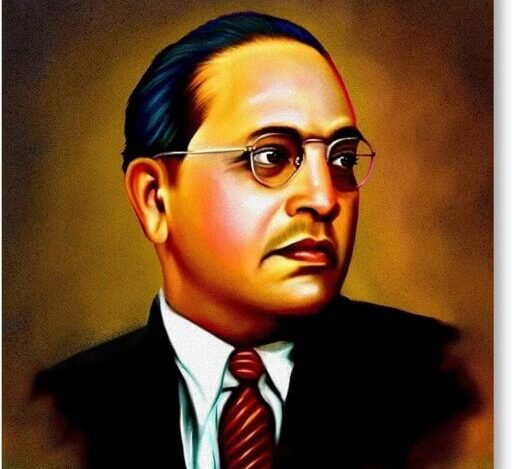
Regarding Pakistan and the Partition of India, Ambedkar warned that a Hindu Raj would be “the greatest calamity for this country” and must be stopped at all costs (Ambedkar, as cited by The Federal; pages 354-355 of the 1946 edition). He also took issue with the Hindus and Muslims being considered as two separate nations, and pointed out that on this issue, both Savarkar and Jinnah agreed (Ambedkar, Thoughts on Pakistan, 1940, as quoted by Frontier). Contrary to this, a Hindu advocacy site says that Ambedkar considered the caste system to be the very essence of Hinduism itself (StopHinduDvesha, “Annihilation of Caste or Annihilation of Hinduism?”). For how I treated the above sources, please see the log. For our other guides relating to this subject, please see the Log.
Why the word matters in current debates
In some cases in the US, those opposing caste laws argue that the laws target Hindus (as in our post on caste laws debates, and our legislation tracker). Many Hindu scholars and groups argue for the same distinction, while others do not. Because I could not identify a single, consistent definition, this entry quotes each source as it appears. Our entry on Ambedkarite groups notes the organizations that align with the aforementioned views. (Communities wanting to document their history have come to rely on blogging and email marketing. We created the Ambedkar Educational Program to fill this very need.)
Takeaway
What is Hindutva? Scholars and Britannica define it as a Hindu nationalist political ideology. Supporters, and the 1995 Supreme Court ruling define it as a cultural way of life. For Hindutva, Savarkar spoke of common fatherland and holy land, nation and descent, and culture. For caste, Savarkar was against untouchability. The RSS promotes social harmony. However, critics say that this leaves a social order with a hierarchy, as is implied by Ambedkar’s appeal for annihilation. In 1946, Ambedkar warned against a Hindu Raj.
Frequently Asked Questions
What is Hindutva?
A term for a Hindu nationalist ideology in India, first set out by V.D. Savarkar in 1923. Its meaning is disputed: Britannica calls it a political ideology, while supporters call it a cultural “way of life.”
What is the difference between Hindutva and Hinduism?
Hinduism is a religion. Hindutva is a political and cultural idea of Hindu identity. Savarkar wrote that Hinduism is a part of Hindutva, and critics argue the two are often confused.
Who coined the word Hindutva?
Savarkar made it a political term in 1923. An essayist, Chandranath Basu, had used it earlier for a cultural worldview.
What did the Supreme Court say about Hindutva?
In 1995, the Court said that “no precise meaning” can be ascribed to Hindutva and that it is ordinarily understood as a way of life. In January 2017, it declined to reconsider that judgment.
What did Ambedkar say about Hindu nationalism?
In Pakistan or the Partition of India, he warned that a Hindu Raj would be “the greatest calamity for this country.” Writers who disagree with his view of Hinduism exist, and this guide cites them.
Understanding caste is step one. Building digital independence is step two.
Ambedkarite communities around the world are using AI tools, blogging and email marketing to document their experiences, challenge discrimination and build platforms that cannot be silenced.
The Ambedkarite Educational Program teaches exactly these skills: AI tools, website building, email marketing, blogging and Google AI. Lifetime access is ₹297 (~$4 USD). All future courses are included free.
Or join the Movement free to start learning today.
SOURCES
- Encyclopaedia Britannica, “Hindutva”
- Wikipedia, “Essentials of Hindutva”
- Wikipedia, “Hindutva”
- Wikipedia, “Vinayak Damodar Savarkar”
- Dharmapedia, “Hindutva”
- Fandom India wiki, “Hindutva”
- CJP, “What does it mean to be a Hindu? How the Supreme Court of India has defined Hindus”
- PolSci Institute, “Understanding Hindutva: Savarkar’s Ideological Framework”
- The Federal, “Caste barrier: Where Ambedkar and Savarkar were on the same page”
- Frontier, Ram Puniyani, “Mohan Bhagwat and Ambedkar”
- StopHinduDvesha, “Annihilation of Caste or Annihilation of Hinduism?”
- B.R. Ambedkar, Pakistan or the Partition of India (1946 edition), pp. 354–355 (please add the BAWS volume reference)